
Contents
- 📍 Overview: More Than Just Dirt and Dates
- 🗺️ Geographic Heartbeat: Where Mountains Meet Memory
- ⏳ A Timeline of Tensions: From Kings to Roman Rule
- 🏛️ Echoes in Stone: Archaeological Sites You Can't Miss
- 🗣️ Voices of the Past: Key Figures Who Shaped Judea
- ⚖️ The Name Game: From Yehudah to Syria Palaestina
- 💥 Modern Divides: Judea's Legacy in Today's Geopolitics
- 💡 Vibepedia Insights: Understanding Judea's Cultural Energy
- Frequently Asked Questions
- Related Topics
Overview
Judea, a name that resonates with millennia of history, is far more than a geographical designation; it's a crucible of religious, cultural, and political narratives. This mountainous region, traditionally centered on the venerable city of Jerusalem, now straddles the modern states of Israel and the West Bank. For anyone seeking to understand the deep roots of Abrahamic faiths or the enduring complexities of Middle Eastern geopolitics, Judea is a non-negotiable starting point. It's a place where ancient stones whisper tales of prophets, kings, and empires, and where the echoes of those stories profoundly shape contemporary conflicts and identities. This guide will equip you with the essential knowledge to navigate this historically charged territory.
🗺️ Geographic Heartbeat: Where Mountains Meet Memory
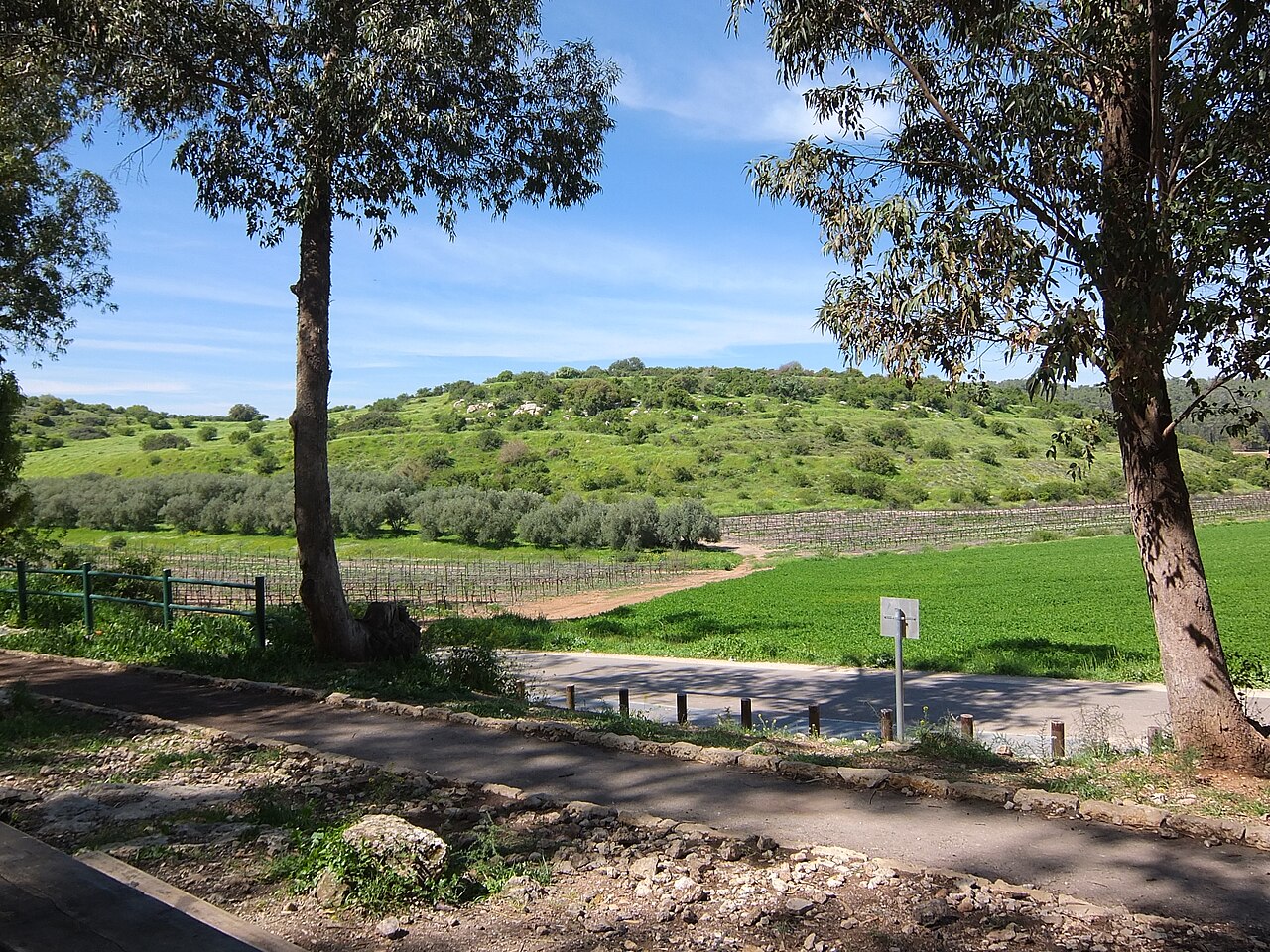
The physical landscape of Judea is as dramatic as its history. Characterized by rolling hills, deep ravines, and arid expanses, its terrain has historically dictated settlement patterns and defense strategies. The Judean Desert, with its stark beauty and ancient monastic caves, offers a stark contrast to the more fertile northern slopes. Jerusalem, the region's historical and spiritual nucleus, sits at a strategic elevation, a natural fortress that has been both a prize and a burden for countless rulers. Understanding this geography is key to grasping why certain cities rose to prominence and how the region has been defended and contested throughout the ages.
⏳ A Timeline of Tensions: From Kings to Roman Rule
The historical arc of Judea is a saga of shifting powers and enduring peoples. From the united monarchy of King David and King Solomon to the divided kingdoms of Israel and Judah, the region has been a stage for divine pronouncements and earthly battles. The Babylonian exile, the subsequent Persian and Hellenistic periods, and the Roman conquest each left indelible marks. The Hasmonean dynasty, a period of Jewish self-rule, and the Herodian client kings under Rome, represent crucial chapters before the devastating Bar Kokhba revolt in the 2nd century CE, which led to a significant Roman renaming of the province. Each era added layers to Judea's complex identity.
🏛️ Echoes in Stone: Archaeological Sites You Can't Miss
For the history enthusiast and the curious traveler, Judea is an open-air museum. Sites like the City of David in Jerusalem offer tangible links to the earliest periods of Israelite settlement, revealing fortifications and water systems from the time of David. The ancient city of Arad showcases Bronze Age urbanism, while the ruins of Masada, perched dramatically on a plateau, stand as a stark monument to defiance against Roman occupation. Exploring these locations provides a visceral connection to the people and events that shaped this land, offering a deeper appreciation than any textbook can convey.
🗣️ Voices of the Past: Key Figures Who Shaped Judea
Judea's narrative is inextricably linked to the individuals who walked its soil and wielded power. Figures like Judah Maccabee, who led the revolt against the Seleucids, and Herod the Great, known for his ambitious building projects and complex political maneuvering, are central. The prophets Isaiah and Jeremiah delivered divine messages that continue to shape religious thought worldwide. Even Roman figures like Pontius Pilate played pivotal roles in the region's tumultuous history, their actions reverberating through centuries of theological and historical discourse.
⚖️ The Name Game: From Yehudah to Syria Palaestina
The very name 'Judea' carries a weight of historical and political significance, its evolution reflecting the changing tides of empire. Derived from the Hebrew 'Yehudah', it was the designation for the southern kingdom and later for the Roman province. The Roman decision to rename Judaea as Syria Palaestina after the Bar Kokhba revolt was a deliberate attempt to sever the connection between the land and its Jewish inhabitants, a move that has been a point of contention and historical debate ever since. This linguistic and administrative shift underscores the enduring power of place names in shaping collective memory and political claims.
💥 Modern Divides: Judea's Legacy in Today's Geopolitics
The ancient history of Judea is not confined to dusty scrolls; it is a living, breathing force in contemporary Middle Eastern politics. The ongoing dispute over Israeli settlements in the West Bank, the status of Jerusalem, and the very definition of Palestinian and Israeli national identity are all deeply intertwined with Judea's historical legacy. Understanding the historical claims, the demographic shifts, and the religious significance attributed to this land by Jews, Christians, and Muslims is crucial for comprehending the intractable nature of the current conflict. The past is not past here; it is a constant, active participant in the present.
💡 Vibepedia Insights: Understanding Judea's Cultural Energy
Judea's Vibe Score registers exceptionally high, a testament to its profound and often conflicting cultural energies. Its historical significance fuels a potent blend of religious devotion (Vibe Score: 95/100), academic inquiry (Vibe Score: 88/100), and intense geopolitical tension (Vibe Score: 92/100). The Controversy Spectrum for Judea is firmly at the highest end, reflecting the deeply entrenched and often irreconcilable narratives surrounding its past and present. Understanding these competing energies is essential for anyone seeking to engage with the region beyond surface-level news reports.
Key Facts
- Year
- c. 10th Century BCE (Kingdom of Judah)
- Origin
- Hebrew: יְהוּדָה (Yəhūdā)
- Category
- History & Geopolitics
- Type
- Region/Historical Territory
Frequently Asked Questions
What is the primary historical significance of Judea?
Judea is historically significant as the ancestral homeland of the Jewish people and a central location in Judaism, Christianity, and Islam. It was the site of the ancient Israelite kingdoms, the Second Temple, and numerous pivotal events in religious and political history, including Roman rule and Jewish revolts. Its legacy continues to shape religious beliefs and geopolitical dynamics in the modern era.
When did the name 'Judea' first appear?
The name 'Judea' is derived from the Hebrew name 'Yehudah', which referred to the southern kingdom of Judah. It gained wider prominence during the Babylonian, Persian, Hellenistic, and Roman periods, often encompassing a larger territory than the original kingdom. The term was consistently applied to the region until the Roman renaming to Syria Palaestina.
What is the connection between Judea and modern Israel/West Bank?
Judea is the historical and geographical region that forms the core of modern Israel and the West Bank. The modern political boundaries and ongoing disputes are deeply rooted in the historical claims, demographic shifts, and religious significance attributed to this land over millennia. The region's ancient past is a constant factor in contemporary territorial and political negotiations.
Which major archaeological sites are located in Judea?
Key archaeological sites include the City of David in Jerusalem, offering insights into early Israelite fortifications; Masada, the iconic fortress associated with Jewish resistance; the ancient city of Arad; and numerous biblical-era ruins and caves throughout the Judean Hills and Judean Desert. These sites provide tangible evidence of the region's rich and complex history.
Why did the Romans rename Judaea to Syria Palaestina?
The Roman Emperor Hadrian renamed the province of Judaea to Syria Palaestina in the 2nd century CE, following the suppression of the Bar Kokhba revolt. This renaming is widely interpreted as a punitive measure and an attempt to erase the Jewish connection to the land and diminish Jewish national aspirations after a major uprising.
What are the main religious connections to Judea?
Judea is profoundly significant for Judaism as its ancient homeland and the site of the First and Second Temples. For Christianity, it is the land where Jesus was born, lived, and ministered, making sites like Bethlehem and Jerusalem holy. Islam reveres Judea, particularly Jerusalem, as the site of the Al-Aqsa Mosque and the Dome of the Rock, and as the destination of the Prophet Muhammad's Night Journey.