
Contents
- 🏛️ Introduction to Hirshhorn Museum and Sculpture Garden
- 🎨 History of the Museum
- 🌳 The Sculpture Garden
- 🖼️ Collection and Exhibitions
- 👥 Education and Community Programs
- 📚 Research and Conservation
- 👩💻 Digital Initiatives
- 🌐 International Collaborations
- 🏛️ Architecture and Design
- 📊 Visitor Information
- 👀 Controversies and Debates
- 🔮 Future Developments
- Frequently Asked Questions
- Related Topics
Overview
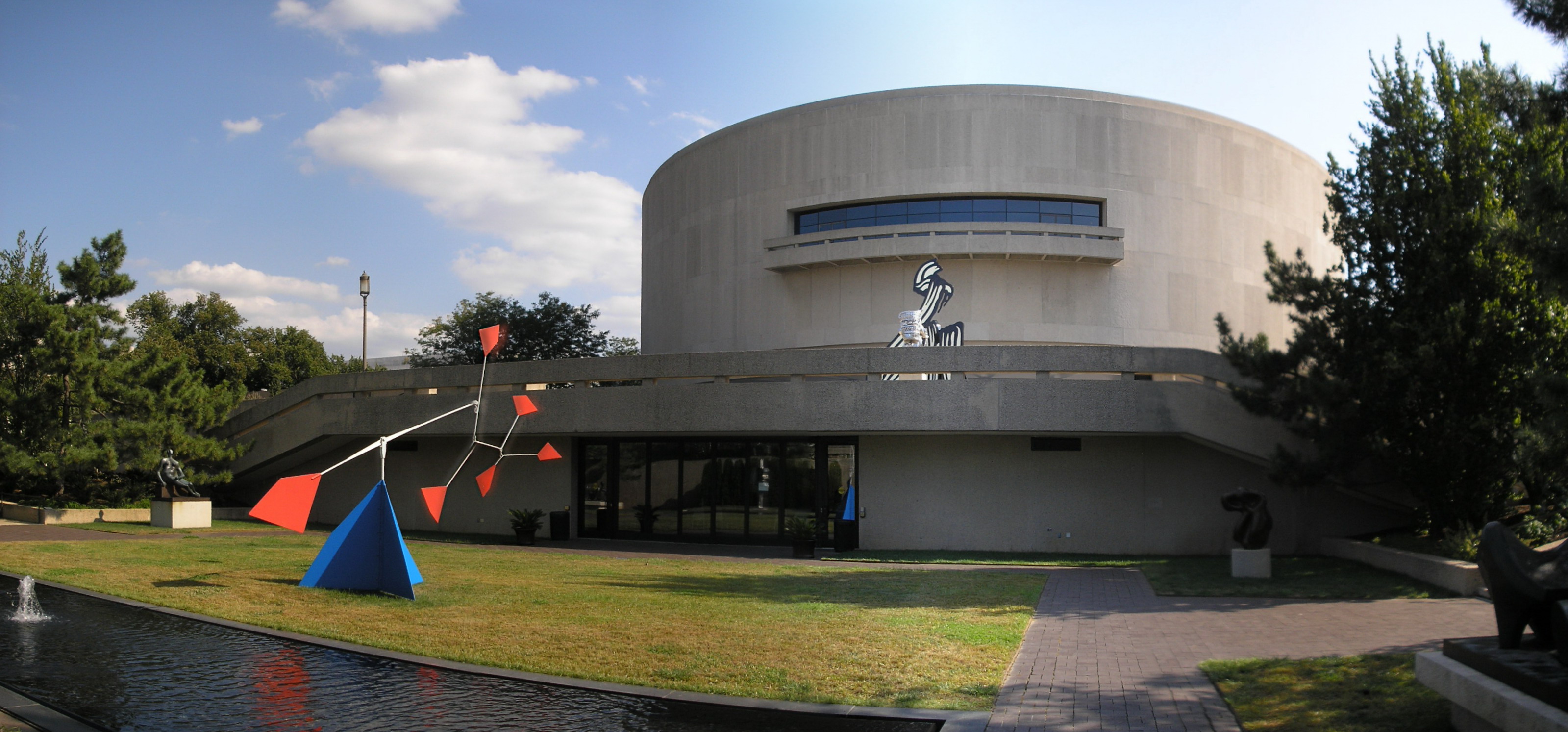
The Hirshhorn Museum and Sculpture Garden, founded in 1966 by Joseph H. Hirshhorn, is a leading modern and contemporary art museum in Washington, D.C. With a collection of over 12,000 works, including pieces by renowned artists such as Warhol, Pollock, and Picasso, the Hirshhorn is a cultural institution that continues to push boundaries. The museum's distinctive circular building, designed by architect Gordon Bunshaft, is a work of art in itself. The adjacent sculpture garden, featuring over 60 modern and contemporary sculptures, is a must-visit destination for art enthusiasts. As a hub for artistic innovation and experimentation, the Hirshhorn has a vibe score of 8, reflecting its significant cultural energy. With a controversy spectrum rating of 6, the museum has been at the center of debates surrounding modern art and its role in society. The Hirshhorn's influence flows can be seen in its impact on the development of modern and contemporary art in the United States, with key people such as Joseph Hirshhorn and Gordon Bunshaft playing a significant role in shaping the museum's vision. The museum's entity relationships with other cultural institutions, such as the Smithsonian Institution, have also contributed to its significance in the art world.
🏛️ Introduction to Hirshhorn Museum and Sculpture Garden
The Hirshhorn Museum and Sculpture Garden is a premier modern and contemporary art museum located on the National Mall in Washington, D.C. As part of the Smithsonian Institution, it is one of the most visited museums in the world, with over 1.5 million visitors annually. The museum's unique circular design, conceived by architect Gordon Bunshaft, has become an iconic landmark in the nation's capital. The Hirshhorn's collection includes over 12,000 works of art, featuring pieces by renowned artists such as Marc Roussel and Francis Bacon. The museum's vibrant programming and exhibitions have made it a hub for artistic innovation and experimentation, often pushing the boundaries of what is considered contemporary art.
🎨 History of the Museum
The Hirshhorn Museum and Sculpture Garden was founded in 1966, with a founding collection of over 6,000 works of modern and contemporary art donated by Joseph Hirshhorn. Hirshhorn, a Canadian mining engineer and art collector, had a passion for modern art and wanted to share his collection with the American public. The museum's early years were marked by controversy, with some critics questioning the quality and relevance of the collection. However, under the leadership of Abbott Lawrence, the museum's first director, the Hirshhorn established itself as a major force in the art world, with a focus on showcasing the work of living artists and providing a platform for artistic innovation. The museum's collection has since grown to include works by artists such as Jackson Pollock and Mark Rothko.
🌳 The Sculpture Garden
The Sculpture Garden, located adjacent to the museum, is a beautiful 1.5-acre park featuring over 30 modern and contemporary sculptures. The garden is designed to provide a peaceful oasis in the midst of the bustling city, with walking paths, benches, and a large fountain. The sculptures on display include works by artists such as Auguste Rodin and Henry Moore, as well as more contemporary pieces by artists like Anish Kapoor. The garden is also home to a variety of plant species and a large Japanese garden, making it a popular destination for both art lovers and nature enthusiasts. Visitors can explore the garden and enjoy the museum's outdoor programming, including concerts and performance art events. The garden is also a popular spot for photography, with its unique sculptures and beautiful landscaping.
🖼️ Collection and Exhibitions
The Hirshhorn's collection and exhibitions are focused on modern and contemporary art, with a emphasis on showcasing the work of living artists. The museum's collection includes over 12,000 works of art, spanning a wide range of media, from painting and sculpture to photography and video art. The museum's exhibitions are designed to be thought-provoking and engaging, often featuring interactive and immersive installations. Recent exhibitions have included shows on artists such as Ai Weiwei and Yayoi Kusama, as well as group shows on topics like climate change and social justice. The museum also offers a variety of educational programs and resources, including guided tours and art workshops. Visitors can explore the museum's collection and exhibitions online, through the museum's digital collection and online exhibitions.
👥 Education and Community Programs
The Hirshhorn is committed to providing educational and community programs that promote artistic innovation and experimentation. The museum offers a variety of programs for visitors of all ages, including guided tours, art workshops, and artist talks. The museum also partners with local schools and community organizations to provide arts education and outreach programs. The Hirshhorn's education programs are designed to be engaging and interactive, often featuring hands-on activities and experiments. The museum also offers a variety of resources for teachers and educators, including lesson plans and educational resources. Visitors can learn more about the museum's education programs and resources through the museum's website and social media channels.
📚 Research and Conservation
The Hirshhorn is dedicated to preserving and conserving its collection for future generations. The museum's conservation team works to protect and restore the artworks in the collection, using the latest techniques and technologies. The museum also conducts research on the artworks in the collection, often collaborating with other museums and institutions to advance our understanding of modern and contemporary art. The Hirshhorn's research and conservation efforts are focused on promoting the long-term preservation of the collection, while also making the artworks accessible to the public. The museum's conservation team has worked on a variety of high-profile projects, including the restoration of a Jackson Pollock painting and the conservation of a Mark Rothko sculpture.
👩💻 Digital Initiatives
The Hirshhorn has launched a number of digital initiatives in recent years, aimed at making the museum's collection and programming more accessible to a wider audience. The museum's website features a digital collection of over 12,000 artworks, as well as online exhibitions and educational resources. The museum also has a strong presence on social media, with over 1 million followers across platforms. The Hirshhorn's digital initiatives are designed to promote engagement and interaction with the museum's collection and programming, while also providing new opportunities for artistic innovation and experimentation. Visitors can explore the museum's digital collection and exhibitions online, and engage with the museum's social media channels to stay up-to-date on the latest news and events.
🌐 International Collaborations
The Hirshhorn has a long history of international collaborations and partnerships, working with museums and institutions around the world to promote artistic innovation and experimentation. The museum has partnered with institutions such as the Tate Modern in London and the Centre Pompidou in Paris to co-organize exhibitions and programs. The Hirshhorn has also collaborated with artists and curators from around the world to develop new and innovative programming. The museum's international collaborations are designed to promote cross-cultural understanding and exchange, while also advancing our understanding of modern and contemporary art. The Hirshhorn's international partnerships have included collaborations with artists such as Ai Weiwei and Yayoi Kusama, as well as institutions like the Museum of Modern Art in New York.
🏛️ Architecture and Design
The Hirshhorn's building and design are a key part of its identity and appeal. The museum's unique circular design, conceived by architect Gordon Bunshaft, has become an iconic landmark in the nation's capital. The building's design is focused on providing a flexible and adaptable space for exhibitions and programming, with a large atrium and a variety of galleries and public spaces. The museum's architecture and design have been widely praised, with the building being awarded the National Building Museum's Vincent Scully Prize in 2012. Visitors can take a guided tour of the museum's building and learn more about its design and history.
📊 Visitor Information
The Hirshhorn is open to the public 364 days a year, with admission free of charge. The museum offers a variety of amenities and services, including a cafe, a museum shop, and a variety of public programs and events. Visitors can plan their visit to the museum by checking the museum's website or social media channels, which provide up-to-date information on exhibitions, programs, and events. The museum also offers a variety of resources and services for visitors with disabilities, including wheelchair accessibility and American Sign Language interpretation. Visitors can contact the museum's visitor services department to learn more about the museum's amenities and services.
👀 Controversies and Debates
The Hirshhorn has been the subject of controversy and debate over the years, with some critics questioning the quality and relevance of the collection. The museum has also faced criticism for its lack of diversity and representation, with some arguing that the collection and exhibitions do not adequately reflect the diversity of the American public. The Hirshhorn has responded to these criticisms by launching a number of initiatives aimed at promoting diversity and inclusion, including the development of new exhibitions and programs focused on underrepresented artists and communities. The museum has also made a commitment to increasing diversity and representation in its collection and exhibitions, with a focus on acquiring works by artists from underrepresented communities. Visitors can learn more about the museum's diversity and inclusion initiatives through the museum's website and social media channels.
🔮 Future Developments
As the Hirshhorn looks to the future, it is focused on continuing to promote artistic innovation and experimentation, while also addressing the challenges and opportunities of the 21st century. The museum is planning a number of new initiatives and programs, including the development of new exhibitions and educational resources, as well as the expansion of its digital presence and online programming. The Hirshhorn is also committed to increasing diversity and representation in its collection and exhibitions, with a focus on acquiring works by artists from underrepresented communities. Visitors can stay up-to-date on the museum's latest news and developments by following the museum's social media channels and signing up for the museum's email newsletter.
Key Facts
- Year
- 1966
- Origin
- Washington, D.C.
- Category
- Museums and Galleries
- Type
- Museum
Frequently Asked Questions
What are the museum's hours of operation?
The Hirshhorn is open to the public 364 days a year, with admission free of charge. The museum's hours of operation are from 10:00 am to 5:30 pm, with extended hours on Thursdays until 8:00 pm. The museum is closed on December 25.
How can I get to the museum?
The Hirshhorn is located on the National Mall in Washington, D.C., and is accessible by public transportation. The museum is a short walk from the Smithsonian Metro station, and is also accessible by bus. Visitors can also take a taxi or ride-sharing service to the museum.
What amenities and services does the museum offer?
The Hirshhorn offers a variety of amenities and services, including a cafe, a museum shop, and a variety of public programs and events. The museum also offers wheelchair accessibility and American Sign Language interpretation for visitors with disabilities.
Can I take photos in the museum?
Yes, non-flash photography is allowed in the museum for personal use. However, tripods, flash photography, and commercial photography are not allowed without prior permission from the museum.
How can I stay up-to-date on the museum's latest news and developments?
Visitors can stay up-to-date on the museum's latest news and developments by following the museum's social media channels, signing up for the museum's email newsletter, and checking the museum's website for updates on exhibitions, programs, and events.
Can I bring food and drink into the museum?
No, food and drink are not allowed in the museum's galleries, with the exception of bottled water. The museum's cafe offers a variety of food and drink options, and visitors are also welcome to eat and drink in the museum's outdoor spaces.
Are the museum's exhibitions and programs accessible to visitors with disabilities?
Yes, the Hirshhorn is committed to making its exhibitions and programs accessible to visitors with disabilities. The museum offers wheelchair accessibility, American Sign Language interpretation, and other accommodations for visitors with disabilities.